
Faith & Heritage
In the footsteps of Paul
The route he actually travelled, from the riverbank at Philippi to the theatre at Ephesus, run by our own teams in Athens and Istanbul.
A Footsteps of Paul tour follows the apostle’s second and third missionary journeys through northern Greece, Athens, Corinth, and the Aegean coast of Turkey. Most groups run it in 8 days for Greece alone, or 12 to 13 days with Ephesus and Miletus added. Every site below is a place named in Acts where something is still standing.
Most pages about this trip do one of two things. They tell the story without telling you what you will actually see, or they list the days without telling you why any of it matters. This one does both, stop by stop.
Seven stops, in the order Paul travelled them
West to east, the way he moved. Groups usually run it in this sequence, then fly home from Izmir or Istanbul.
Philippi
near Kavala, GreeceActs 16What happenedPaul’s first stop in Europe. He met Lydia, a dealer in purple cloth, at a riverside prayer place outside the walls, and she became the first recorded European convert. He and Silas were jailed here after an earthquake opened the cell doors.
What is still thereThe forum, the traditional prison cell, the baptistery beside the river, and long stretches of the Via Egnatia, the Roman road Paul walked in on.
Thessaloniki
Thessaloniki, GreeceActs 17:1-9What happenedPaul reasoned in the synagogue for three sabbaths. A mob formed and dragged Jason from his house when they could not find Paul. He later wrote two letters back to this congregation.
What is still thereA working modern city built over the ancient one: the Roman forum, the Rotunda, and the line of the Via Egnatia still running through the centre.
Berea
Veria, GreeceActs 17:10-12What happenedSent here overnight to escape Thessaloniki. Luke calls the Bereans more noble minded, because they examined the scriptures daily to check whether what Paul said was true.
What is still thereThe Bema of Paul, a monument on the traditional site of his preaching, and the old Jewish quarter of the town.
Athens
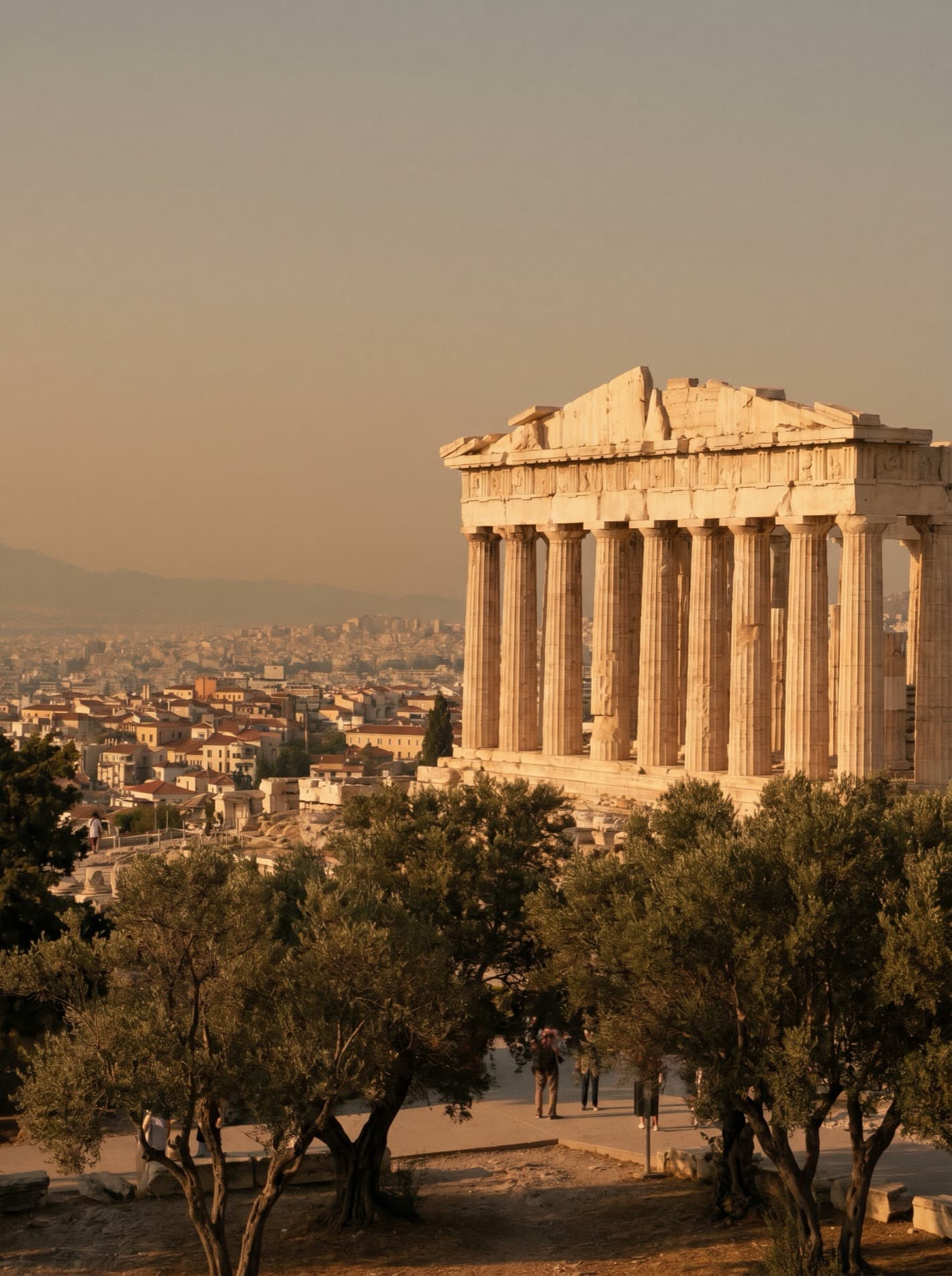
Athens, GreeceActs 17:16-34What happenedPaul argued daily in the agora, then was brought up to the Areopagus. He opened by pointing at an altar inscribed to an unknown god and used it to introduce the God he preached.
What is still thereThe bare rock of the Areopagus below the Acropolis, still open to walk on, and the Agora where the daily debates happened.
Corinth
Ancient Corinth, GreeceActs 18What happenedEighteen months here, the longest stay of the second journey. He worked as a tentmaker alongside Aquila and Priscilla, and was hauled before the proconsul Gallio, who threw the case out.
What is still thereThe bema where he stood before Gallio, the Temple of Apollo, and the Erastus inscription. An inscription naming Gallio, found at Delphi, dates this stay to about AD 51 to 52 and anchors the chronology of Paul’s whole ministry.
Ephesus
near Selçuk, TurkeyActs 19What happenedClose to three years, his longest stay anywhere. His preaching cut into the trade in silver Artemis shrines, and the silversmiths started a riot that filled the theatre for two hours.
What is still thereThat same theatre, which seats around 25,000 and is still used. Also the Library of Celsus, the marble street, the terrace houses, and the site of the Temple of Artemis.
Miletus
near Didim, TurkeyActs 20:17-38What happenedSailing home and short on time, Paul called the Ephesian elders down to the harbour and said goodbye, telling them they would not see his face again. They wept and walked him to the ship.
What is still thereThe harbour theatre where the meeting is traditionally placed, and a silted plain where the sea used to reach.
Our own offices sit on both halves of the route
The Greek stops are run by our Athens office. The Turkish stops are run by our Istanbul office. Nothing on this route is handed to a third party we have never met, which is the usual arrangement when one operator sells a trip across two countries.
It also means the guides at Corinth and Ephesus work for the same company, so the trip reads as one journey instead of two tours stapled together.
Related journeys
- The Seven Churches of Revelation →
All seven are in Turkey, and Ephesus is on both routes. Groups with more time often join the two.
- Greece →
Athens, Corinth, and the north, plus the islands if you extend.
- Turkey →
Ephesus, the Aegean coast, Cappadocia, and Istanbul.
- All faith and heritage journeys →
What groups ask before booking this route
Greece alone runs about 8 days. Adding the Turkish sites at Ephesus and Miletus takes it to 12 or 13. Shorter versions drop Berea and Miletus first.
Planning a pilgrimage? Talk to a faith-travel specialist →